Safety Briefing
Bottom line: The Dead Sea is genuinely safe for personal security—violent crime against tourists is essentially nonexistent here. It's one of Jordan's most heavily protected tourist zones, operationally secure and well-patrolled by Jordanian Tourist Police. However, that 44/100 composite score reflects government advisories recommending caution, not the on-the-ground reality. If you go, you'll encounter a well-protected beach destination with excellent hospitality, not danger.
The current situation: Governments currently advise avoiding non-essential travel to Jordan due to broader Middle East tensions. In July 2026, airstrikes occurred in the region (buch-dein-visum.de, Jul 10), and the UK's advisory level remains elevated. However, the same UK Foreign Office eased its travel guidance in June 2026, signaling stabilization (Arab News, Jun 2026). The New York Times reported in May 2026 that "Jordanians Struggle as Mideast Wars Scare Tourists Away," reflecting hesitation among potential travelers rather than actual crime. Those on the ground are more sanguine—one Reddit poster noted: "Every part of jordan is safe…Foreigners participated in the one happened yesterday in down town and everything was fine." Tourist zones remain operationally secure and well-lit with visible security; the anxiety is psychological, not physical.
Crime and theft: Jordan's homicide rate is 1.0 per 100,000—lower than the United States (5.8) and comparable to Switzerland (0.6) and Japan (0.2). Violent robbery and mugging targeting tourists are not documented risks. The actual crime risk is petty theft: "opportunistic petty theft in crowded tourist sites like...Dead Sea beach areas" (alpha-keeper.com). Pickpockets work the beach while you're floating distracted; thieves target unattended bags and changing areas. Keep your valuables in your hotel safe and monitor your belongings on the sand.
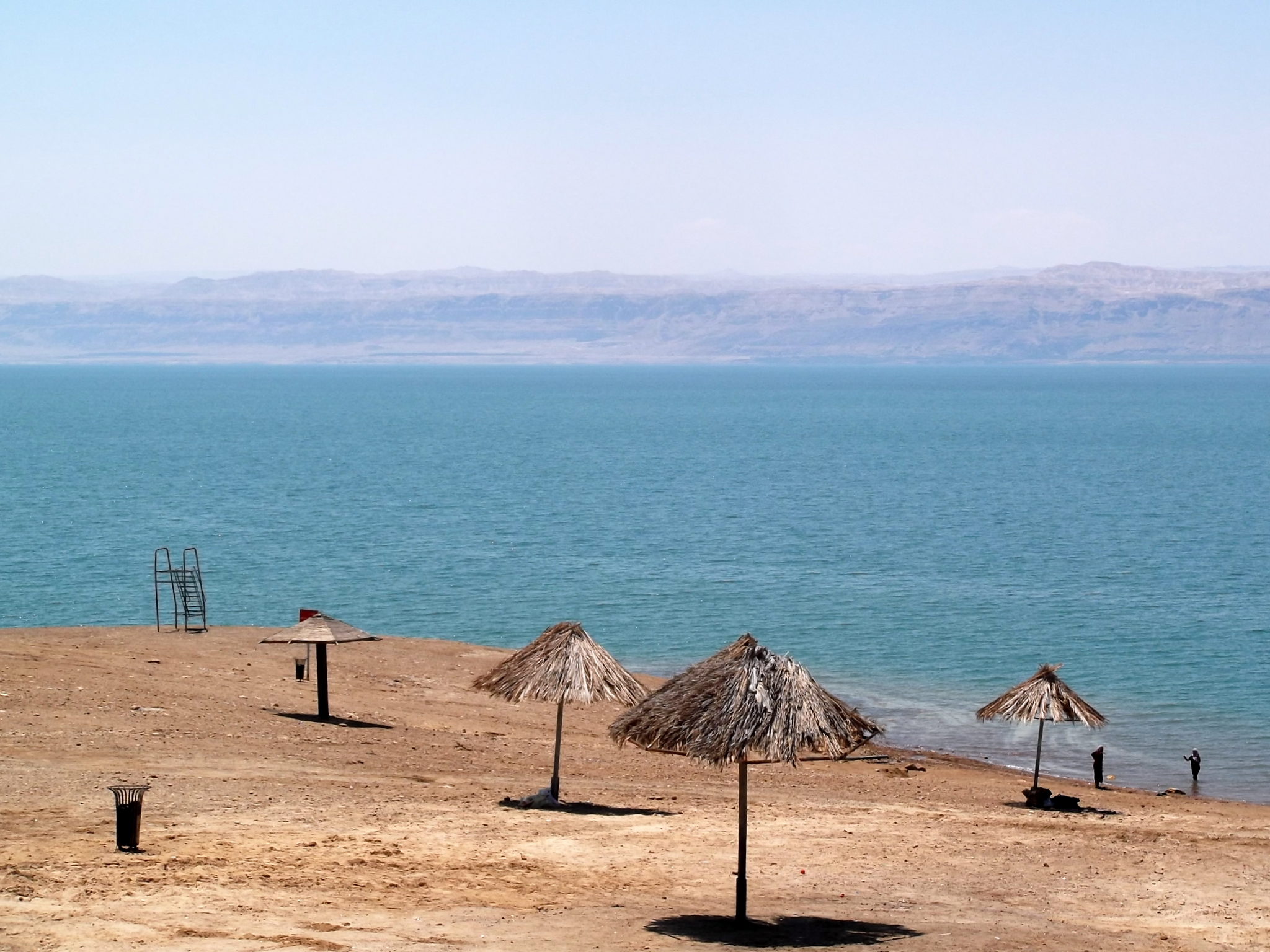
The natural hazards matter more than crime here: The Dead Sea has 7,000+ sinkholes that form when underground salt deposits dissolve—stay on marked paths and never climb down unmarked banks to access the water. More critically, several people drown annually here because the extreme buoyancy makes normal swimming strokes lethal. If you attempt breaststroke or front crawl, your legs float too high and you can't keep your head above water. Float only on your back. The salt also cuts feet badly and causes severe pain if it contacts eyes or open wounds; wear waterproof sandals and rinse thoroughly after swimming.
Scams and practical advice: Watch for unmarked yellow taxis claiming broken meters and quoting inflated fares—use only hotel-arranged transport. Avoid unofficial beach guides; book through your resort. Restaurant and accommodation upsells are common but manageable by booking ahead. Keep your copies of important documents with you, not in a locker on the beach.